Currency
Custom Printed Bottle & Jar Shrink Sleeves
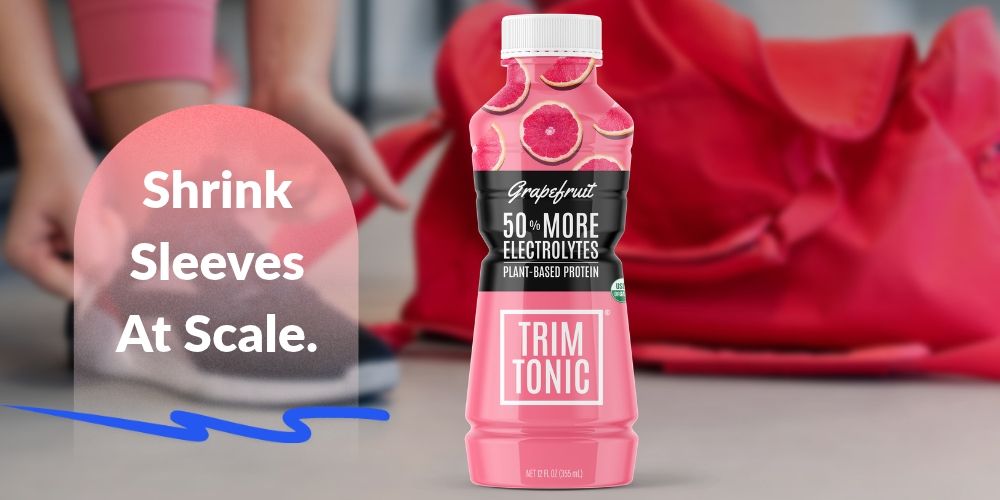
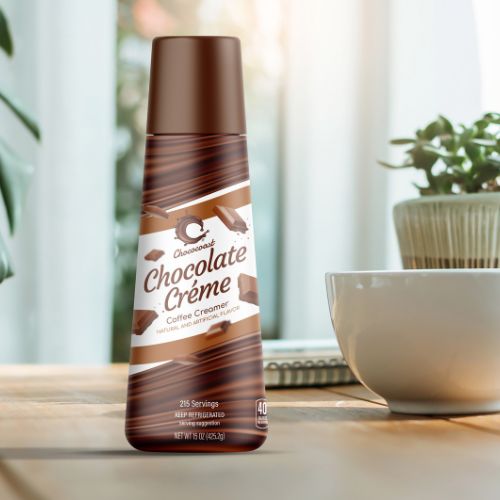
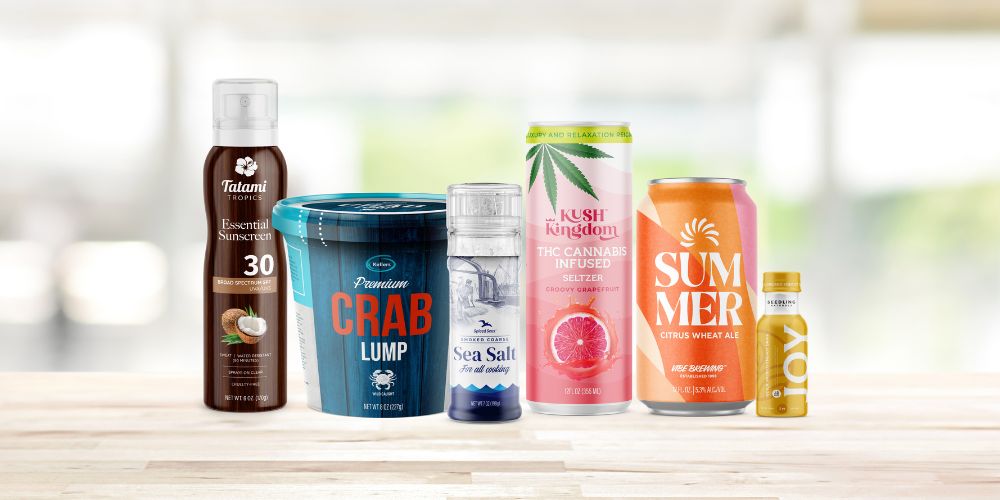
Custom printed bottle & jar shrink sleeves provide full-body, 360-degree graphics for dairy products, beverages, food, personal care, household products and more.
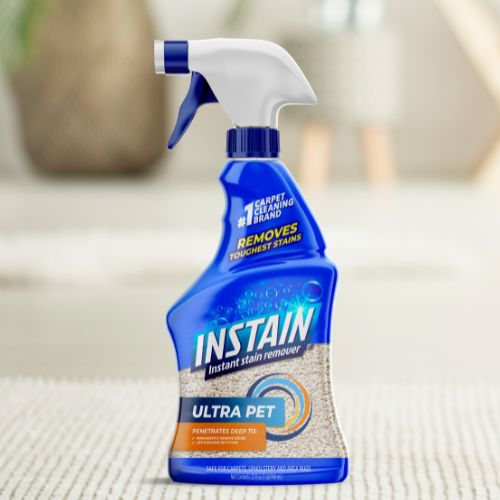
From light-blocking shrink sleeves that help protect light-sensitive dairy products to distortion printing designed for curved, tapered and irregular containers like trigger spray bottles, Taylor can engineer a shrink sleeve solution around your specific container, product and application.

Light-Blocking
Help protect dairy and other light-sensitive products with shrink sleeve structures designed to reduce light exposure..
Distortion Expertise
Artwork can be adjusted for complex container geometry so graphics appear correctly after the sleeve is shrunk into place.
Machinability Support
Our engineers can provide on site support to help evaluate sleeve application, machinability and production performance.
Built For Large Runs
CI flexographic printing supports high-volume bottle and jar programs with consistent print quality and repeatable performance.
Explore Our Shrink Sleeve Resources
From choosing the right sleeve and container to artwork, printing and sustainability, explore our guides to planning a successful shrink sleeve program.

All Things Shrink Sleeves
From material specs to removable shrink sleeves, this page has all the technical resources to get you started.
Read More →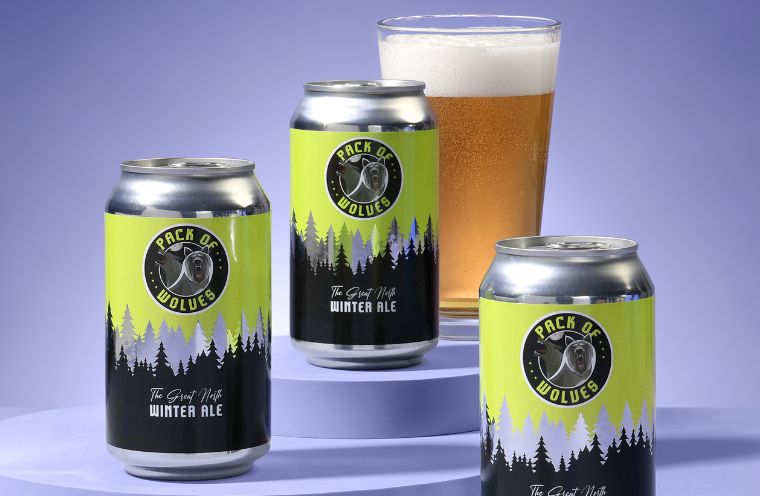
Labels or Shrink? What's Best For Your Brew.
Do you can craft beer? If so, you may be deciding between a shrink sleeve and a pressure-sensitive label for your cans.
Read More →
Digital vs. Flexographic Printing
Compare print methods to determine the right fit for your volume—from short-run digital agility to high-capacity flexo runs.
Read More →Need Assistance Engineering Your Shrink Sleeve?
From initial 3D grid line drawings and pre-press distortion proofs to technical press checks, our engineering team ensures your project runs smoothly.
Talk to a Shrink SpecialistBottle & Jar Shrink Sleeves: FAQ
What types of bottles and jars can use shrink sleeves?
Shrink sleeves can be engineered for a wide range of bottles and jars, including dairy containers, beverage bottles, food jars, personal care products, household cleaners and trigger spray bottles. Container dimensions, shape and shrink characteristics are evaluated to determine the appropriate sleeve structure and fit.
Can shrink sleeves provide light-blocking protection for dairy products?
Yes. Light-blocking shrink sleeve structures are available for dairy and other light-sensitive products. These solutions can provide full-body printed coverage while helping protect products from exposure to light. The appropriate structure depends on the product, container and performance requirements.
Can shrink sleeves be used on irregular or contoured bottles?
Yes. Shrink sleeves are particularly useful for curved, tapered and irregularly shaped bottles because the film can conform to the shape of the container during application. The sleeve, artwork and shrink profile are engineered around the specific container geometry.
Can shrink sleeves be used on trigger spray bottles?
Yes. Custom printed shrink sleeves can be designed for trigger spray bottles and other uniquely shaped household and cleaning product containers. Container geometry, sleeve placement and shrink characteristics are considered when developing the finished sleeve.
Why is artwork distortion important for bottle and jar shrink sleeves?
Shrink sleeve film changes shape as it conforms to a bottle or jar, particularly around curves, tapers and other changes in container geometry. Artwork distortion compensates for this movement so graphics, text and other design elements appear correctly after the sleeve has been applied and shrunk.
Can Taylor support large production runs of bottle and jar shrink sleeves?
Yes. Taylor supports larger-scale bottle and jar shrink sleeve programs using CI flexographic printing technology. CI flexo is well suited for high-volume production programs requiring consistent print quality and repeatable performance across larger quantities.
What information is needed to start a bottle or jar shrink sleeve project?
Providing the container dimensions, container type, product application, expected quantities and available artwork is a good place to start. For curved, tapered or irregular containers, additional container specifications or physical samples may be helpful when determining sleeve dimensions, distortion and production requirements.